



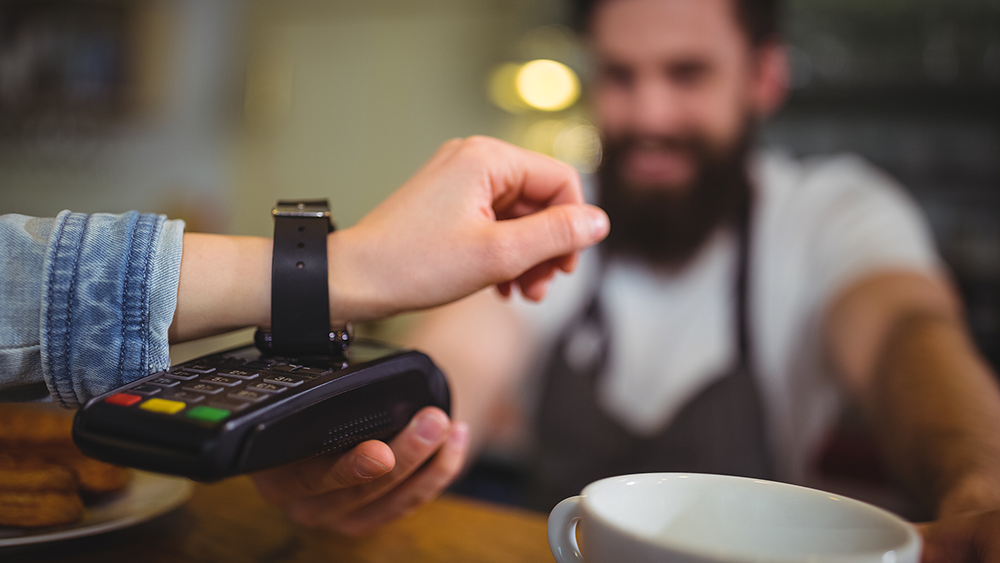
Industry practitioners anticipate restaurant POS 2026 systems will undergo the most significant transformation since the shift to cloud-based procedures nearly ten years ago. Despite the fact cloud POS offers scalability, remote access, and minimal maintenance, operators’ interests appear to have shifted toward increased flexibility, speed, security, and extensive integration. Innovative POS solutions enable installations capable of adjusting to variable workflows, as opposed to adapting operations to inflexible legacy systems. According to Hospitality Technology’s 2026 POS Software Trends Study, nearly half of surveyed restaurant operators plan to replace or significantly upgrade their POS system this year. Highlighted features include increased cloud exchanges, inventory analytics, extended online ordering capabilities, and offline uninterruptable operations. Additionally, more secure payment gateways, enhanced operational support, increased robust mobile apps, and extensive reporting capabilities are desired capabilities.
The object of POS 2026 is to create a well-connected ecosystem, with AI‑driven intelligence and conversational interfaces that deliver frictionless customer experiences. While the restaurant industry is facing unprecedented customer expectations, staff shortages, multi-channel ordering, and increasing operational costs, a POS system no longer can be considered simply as a transactional accounting instrument. Research indicates that operators that invest in modernized POS systems can gain greater control and competitive advantage given the evolution of intelligent platforms that go beyond unifying orders, digitizing payments, monitoring real-time inventory, auto-staff scheduling, extensive report generation, and customer engagement.
As POS systems continue to advance, operators can become more empowered to elevate guest experiences across multiple touchpoints. Omnichannel ordering and payment allow customers to order and pay via pay-by-link, mobile phone, kiosk device, or staff-assisted processing. From an innovative perspective, AI-powered interaction methods allow input via plain language or voice that incorporate personalization can result in broader revenue strategies. As hospitalitytech.com explains, POS 2026 will be characterized as a platform built for speed, stability, and continuous improvement. POS systems will feature technology that reduces human effort while creating meaningful, measurable value. Recent survey results confirm a non-negotiable need for platforms that connect seamlessly across the entire tech stack and protect customer data with uncompromising security. Simply stated, the movement from transactional technology to a more intelligent, connected system are considered significant POS advancements
Read the full white paper on your member dashboard
Share this